Commercial gardeners Belmont maintenance for shops and offices
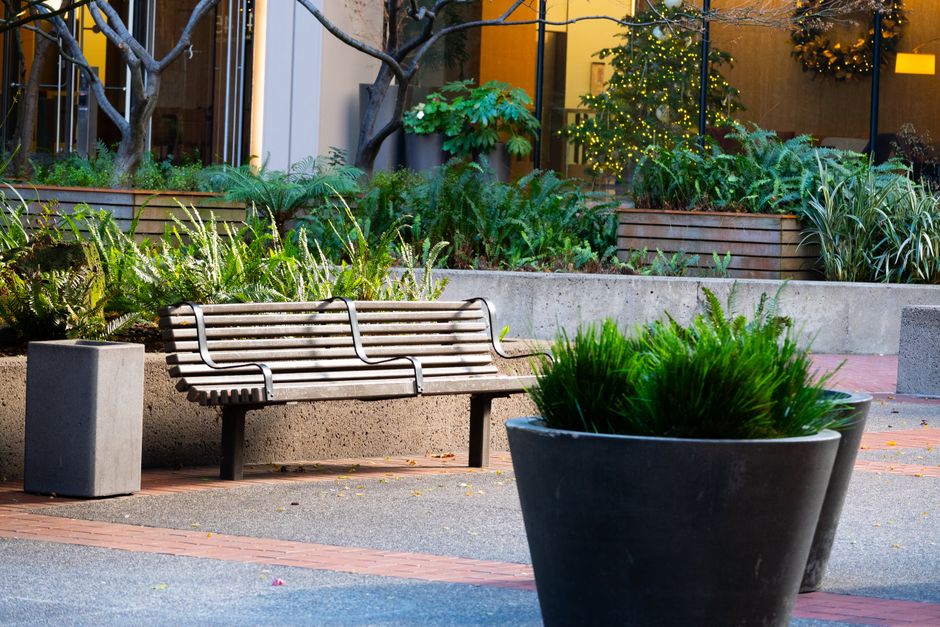
If you run a shop, manage an office, or look after a small commercial site in Belmont, the outside space quietly does a lot of heavy lifting. It frames first impressions, helps people feel welcome, and can either look cared for or, frankly, a bit forgotten. That is where Commercial gardeners Belmont maintenance for shops and offices comes in: a practical, ongoing service that keeps entrances, borders, lawns, planters, hedges, and hard surfaces in good shape all year round.
Truth be told, most business owners do not have time to chase weeds after a wet week or worry about a hedge blocking signage. You want the place to look decent on a Monday morning and still look decent by Friday afternoon. In this guide, we'll cover what commercial garden maintenance actually involves, how it works, who needs it, what to expect, and how to choose a sensible routine without overcomplicating things.
For businesses that want a broader upkeep plan, it can help to think in terms of a full property care schedule rather than just occasional tidy-ups. You may also find it useful to explore related services such as garden maintenance, lawn mowing, and patio cleaning when planning a site-wide standard.
Why Commercial gardeners Belmont maintenance for shops and offices Matters
Commercial outdoor areas are not decorative extras. They are part of the customer journey, staff experience, and brand presentation. A neat frontage can make a small shop feel more established. A tidy office entrance can make a workplace feel calmer before anyone has even stepped inside. Small thing? Maybe. But it matters.
Maintenance becomes especially important in Belmont because commercial sites often face the usual UK mix of damp growth, wind damage, leaf fall, and sudden bursts of growth that seem to happen when nobody is looking. One week the beds look fine; the next, a few weeds and overgrown shrubs are doing their best impression of a takeover. If you have ever walked past a shop where a planter is overflowing with tired annuals and litter is trapped by the kerb, you already know how quickly a site can lose polish.
There is also a practical side. Overgrown planting can hide signs, block windows, reduce visibility at entrances, and create trip hazards around paving or steps. For offices, that can mean a less welcoming reception area; for shops, it can affect footfall. Good maintenance is not just about beauty. It is about day-to-day presentation and risk reduction.
Expert summary: the best commercial garden care is consistent, light-touch, and seasonal rather than dramatic. Small jobs done regularly usually beat big rescue jobs every time.
How Commercial gardeners Belmont maintenance for shops and offices Works
Most commercial maintenance plans start with a site walk-through. The gardener looks at what is planted, how the space is used, where people enter and exit, and which areas cause recurring issues. A shopfront with planters, hanging baskets, and a narrow forecourt needs a different approach from an office with side borders, a rear courtyard, and a small lawn. No surprise there.
From there, the work is usually organised into repeat visits. Depending on the site, that may mean weekly, fortnightly, or monthly service. A good plan focuses on the specific tasks the property actually needs rather than a generic checklist that treats every site the same. That usually includes:
- grass cutting or trimming where grass is present
- hedge and shrub shaping
- weeding and edging
- deadheading and seasonal plant replacement
- litter and debris removal from planted areas
- border tidying and mulching
- patio, path, or hard-surface clearing around planting zones
- light pruning to keep growth controlled
If the site has larger boundary planting or screening, hedges may need a more defined schedule. For that reason, many businesses also keep an eye on hedge trimming Belmont as part of the wider maintenance plan. For larger or more complex grounds, landscaping can be useful when the site needs reshaping rather than just upkeep.
In practice, the service should feel orderly and predictable. The crew arrives, the site is checked, agreed tasks are completed, green waste is cleared, and any issues are flagged. That last part is easy to overlook, but it is one of the most valuable. If a planter is failing, a tree is leaning, or water is pooling near a path, early notice saves hassle later. Saves money too, usually.
Key Benefits and Practical Advantages
The clearest benefit is appearance, of course. A maintained exterior tells customers and visitors that the business pays attention to details. But there is a lot more going on under the surface.
1. Better first impressions
People notice a tidy entrance before they notice the reception desk. For a retail site, that can mean a more inviting window area and a frontage that feels open rather than cluttered. For offices, it creates a calmer, more professional tone.
2. Lower long-term repair and replacement costs
Regular pruning, mowing, and weeding prevent small issues from becoming expensive ones. Overgrown roots can disturb paving, neglected hedges can become difficult to reduce safely, and unmanaged beds can require a full reset. The boring jobs matter. A lot.
3. Safer access for staff and customers
Clear sightlines, even surfaces, and uncluttered entrances reduce everyday hazards. This is especially important where deliveries, wheelchair access, bins, and foot traffic all meet in the same tight space.
4. More reliable seasonal planning
Seasonal changes are easier to manage when the garden is already on a routine. You can rotate planting, prepare for winter, and refresh summer displays without scrambling at the last minute. If you want to think ahead with planting choices, articles such as when to use perennials vs annuals in your garden and ground covers that elevate UK garden aesthetics are useful supporting reads.
5. Easier brand consistency
Businesses often spend carefully on signage, lighting, and interiors, then leave the outside to chance. Maintenance helps the exterior match the brand standard. If your office is modern and polished, the outside should not look like a hedge fight happened in 2019.
Who This Is For and When It Makes Sense
This kind of service suits any commercial property where the outside space is visible, used, or expected to make a professional impression. That includes:
- independent shops and high-street retailers
- small office buildings and business units
- estate or block-managed office courtyards
- cafes, salons, and customer-facing service premises
- medical, dental, and wellbeing practices
- mixed-use buildings with planted entrances or communal green spaces
It makes the most sense when the site has one or more of these signs:
- the frontage looks neglected between visits
- staff are informally handling garden jobs with no clear schedule
- weeds keep returning in paving or borders
- hedges are obscuring windows, lighting, or signs
- planters look tired and inconsistent through the year
- the site has seasonal peaks where presentation really matters
Some businesses only need light maintenance around entrances and a few planters. Others need a broader package with mowing, hedge cutting, pruning, and the occasional clean-up after bad weather. If the site includes larger grassed sections, then lawn care can be folded in alongside commercial garden maintenance.
And if you are still deciding whether to bring in outside help, ask a simple question: who is actually responsible when the planting gets away from you? If the answer is "nobody, really," that is usually the moment to make a proper plan.
Step-by-Step Guidance
Here is a straightforward way to approach maintenance for shops and offices without overthinking it.
- Survey the site honestly. Walk the whole area as a customer would. Look at entrances, sightlines, weeds, edges, planters, and anything that makes the space feel messy or awkward.
- Separate must-do tasks from nice-to-have tasks. Safety and access come first. That usually means litter removal, clear paths, hedge reduction if sightlines are blocked, and basic weed control.
- Set a repeat schedule. Weekly, fortnightly, or monthly usually works better than random one-off visits. The right interval depends on growth rate, usage, and the season.
- Choose the right seasonal priorities. Spring and summer lean towards growth management and planting; autumn and winter are more about reduction, protection, and weather resilience. For weather planning, this is where posts such as winter prep essentials for plants and garden resilience in excessive wind can help with expectations.
- Decide what to keep and what to replace. If a planter is constantly failing, it may be better to reset it with tougher plants rather than keep patching a weak scheme.
- Agree communication rules. You want a quick way to report issues, approve changes, and flag urgent concerns. Not every site needs a meeting; sometimes a short email does the job perfectly well.
- Review results after the first few visits. Are weeds under control? Is the frontage looking sharper? Has the work schedule matched the actual needs of the property?
A very normal, very real scenario: a small office has one front border, two planters, and a narrow side path. At first glance it seems simple. But once the weather warms up, the weeds come through the edging, the shrubs lean into the walkway, and the planters dry out faster than anyone expected. A good maintenance routine catches that pattern early and adjusts before the place starts looking shabby.
Expert Tips for Better Results
The best results come from being practical, not fussy. Here are a few things that tend to make a noticeable difference.
Use planting that suits the site, not just the mood board
Shops and offices often need plants that look good with limited fuss. If a border is shaded, windy, or ignored at weekends, choose accordingly. A beautiful plant that sulks in the wrong place is just expensive stress.
Design with sightlines in mind
Keep key signage, windows, and doorways visible. A hedge can frame a shopfront nicely, but if it hides the entrance, it stops doing its job. If privacy is needed, consider structured screening instead of letting shrubs grow wild. The piece on fast privacy hedges is a good reminder that screening can be tidy and intentional.
Think in layers
A well-kept commercial bed often has structure, filler planting, and low ground cover. That helps reduce bare patches and gives the frontage a fuller look. It also reduces the "empty soil plus weeds" problem, which is one of those things that looks small until it suddenly doesn't.
Do not ignore the edges
Sharp edges make a site look cared for. Neat borders, clean joints in paving, and tidy edges around planters all have a disproportionate visual effect. Tiny detail. Big impact.
Plan for rubbish, litter, and footfall
Commercial sites gather debris differently from domestic gardens. Leaves, wrappers, cigarette ends, and wind-blown litter tend to collect in the same places. Routine clearing is not glamorous, but it protects the overall appearance.
Choose a maintenance rhythm that matches the seasons
During peak growth, a little and often approach is usually better. In slower months, the focus shifts to reduction, clearance, and protection. You may also want to use ideas from low-maintenance garden ideas if you are trying to reduce upkeep pressure without making the site look stripped back.
And yes, sometimes the best tip is simply this: don't leave everything until it looks bad. That is how a tidy space turns into a recovery project.
Common Mistakes to Avoid
Commercial garden maintenance goes wrong in fairly predictable ways. Fortunately, they are all avoidable.
- Trying to do everything ad hoc. One-off rescue visits can help in emergencies, but they rarely create consistency.
- Ignoring the front entrance. The entry point sets the tone. If that area is neglected, people notice immediately.
- Choosing plants that outgrow the space. A hedge or shrub that looked fine at planting can become a problem fast if it is not suited to the site.
- Letting weeds establish in paving and borders. Once they settle in, the job gets harder and more costly.
- Assuming staff can "just keep on top of it." In reality, nobody wants to spend lunch breaks deadheading, sweeping leaves, and dealing with wet soil.
- Skipping seasonal review. A winter plan and a summer plan should not be identical. The needs change.
One slightly funny but true thing: a lot of commercial sites are kept together by someone saying, "I'll deal with it next week." Next week has a way of becoming next month. Then the hedge is taller than everyone expected. Nature is polite like that; it waits, then it pounces.
Tools, Resources and Recommendations
For commercial garden care, the right tools matter because they save time and improve finish. Good equipment also makes work safer and less disruptive on busy sites. A professional setup typically includes:
- commercial-grade mowers and strimmers for grassy areas
- hedge trimmers for shaping and reduction
- hand tools for edging, deadheading, and precise pruning
- blowers and rakes for leaf and debris clearance
- waste sacks or collection systems for green waste
- appropriate PPE, such as gloves, eye protection, and sturdy footwear
If you are interested in the technical side of equipment, professional tools for every garden enthusiast gives a useful flavour of why the right kit matters, even if your site is commercial rather than domestic.
It also helps to keep a simple site record. Nothing elaborate. Just a note of what was done, what was noticed, and what may need attention next time. That small habit prevents missed issues and keeps everyone on the same page. For regular maintenance jobs, the service page for gardening services can support a broader, ongoing plan.
Law, Compliance, Standards, or Best Practice
Commercial garden maintenance in the UK sits alongside wider property management duties, so it is wise to treat it as part of workplace safety and public presentation. Exact requirements can vary depending on the site, but best practice usually includes keeping access routes clear, avoiding trip hazards, managing overgrown plants that block sightlines, and making sure work does not create avoidable risk for staff, customers, or contractors.
If the property has public access, you should think carefully about slip hazards from wet cuttings, loose debris, mossy paving, uneven edges, and blocked routes. If a business has responsibility for shared or managed space, communication becomes even more important. The gardener should know when the site is busy, where deliveries happen, and which areas need extra caution.
Health and safety is not just paperwork. It is the difference between a tidy site and a tidy site that still causes headaches. For peace of mind, it can be worth reviewing health and safety policy information and the company's wider insurance and safety guidance before work begins. Where waste handling, access permissions, payment processes, or service terms matter, the practical pages on terms and conditions and payment and security are also worth a quick look.
Best practice is usually straightforward: keep the work scheduled, documented, and proportionate to the site. That is what clients, contractors, and visitors all benefit from.
Options, Methods, or Comparison Table
There is more than one way to manage commercial grounds. The right choice depends on size, visibility, and how much the site needs to do day to day.
| Approach | Best for | Strengths | Limitations |
|---|---|---|---|
| Reactive call-out visits | Occasional issues or emergency tidy-ups | Quick for urgent problems | Can look inconsistent and cost more over time |
| Scheduled maintenance | Shops, offices, and sites that need steady presentation | Reliable, predictable, easier to budget | Needs a proper schedule and site review |
| Full grounds management | Larger commercial properties or more complex landscapes | Covers broader tasks and seasonal planning | May be more than a small site actually needs |
| Occasional enhancement works | Sites that are mostly fine but need improvement | Good for upgrades, replanting, and reshaping | Does not replace regular maintenance |
In many cases, the most sensible answer is a blend: regular maintenance for the everyday jobs, plus occasional enhancement work when the site needs a lift. For hard landscaping or access areas, you might also consider decking services, fencing, or tree surgery if the broader site layout needs attention.
Case Study or Real-World Example
Picture a small office with a modest front border, a rear service yard, and two planters by the entrance. Nothing dramatic. At first, the site looks fine. But over a couple of months, weeds start appearing in the front border, the planters lose vigour, and the hedge beside the path begins narrowing the walkway. Staff keep noticing it, but nobody has time to sort it properly.
A scheduled maintenance approach changes that pattern. The front border gets a regular weed pass, the planters are refreshed with better-suited seasonal planting, and the hedge is cut back before it becomes awkward. The rear yard is cleared of debris each visit, so rubbish does not collect and spread. Within a short time, the whole site feels lighter and more professional. Not flashy. Just well looked after.
That is often the real value of commercial gardeners Belmont maintenance for shops and offices. It is not only the visible transformation. It is the reduction in little problems that quietly chip away at the place week after week.
Practical Checklist
Use this as a quick internal check before you arrange or review a maintenance plan.
- Is the frontage tidy from a customer's point of view?
- Are entrances, signs, and windows kept clear by planting?
- Do borders, planters, and hedges have a realistic maintenance schedule?
- Are weeds controlled before they spread?
- Is green waste removed after each visit?
- Are seasonal changes planned rather than improvised?
- Are any trip hazards, low branches, or overgrown areas being addressed?
- Is someone responsible for approvals and communication?
- Have you reviewed whether the site needs mowing, hedge cutting, or hard-surface cleaning as part of the plan?
- Does the current setup match the brand image you want people to feel as they arrive?
If you can answer yes to most of those, you are already in a strong position. If not, that is useful information too. Better to know now than during a busy Friday afternoon.
Get a free quote today and see how much you can save.
Conclusion
Commercial garden maintenance for shops and offices is really about keeping the outside of a business as reliable as the inside. The best spaces are not necessarily the grandest ones; they are the ones that look cared for, stay safe, and support the way people actually use the property.
Whether you need a light-touch routine for a shop entrance or a more structured plan for office grounds, the key is consistency. Small, regular attention almost always beats a dramatic rescue later. And honestly, that is easier for everyone involved.
If you are ready to make the exterior feel calmer, cleaner, and more professional, the next step is simple: assess what the site needs, decide how often it needs attention, and build a maintenance plan that matches the reality on the ground. A well-kept entrance says a lot without saying a word.
Sometimes the smallest improvements make the biggest difference, and you tend to notice that most on a grey morning when the place still looks welcoming.
Frequently Asked Questions
What does commercial garden maintenance include for shops and offices?
It usually includes mowing, weeding, hedge trimming, pruning, edging, planter care, litter removal, and general tidying. The exact mix depends on the site layout and how much planting or grass is present.
How often should a shop or office garden be maintained?
Most sites benefit from weekly, fortnightly, or monthly visits. Busy frontages and fast-growing planting often need more frequent attention, especially in spring and summer.
Is commercial maintenance different from domestic garden care?
Yes. Commercial maintenance is usually more focused on presentation, access, repeat scheduling, and managing higher footfall. The work also needs to fit around customers, staff, and deliveries.
Can maintenance help reduce long-term costs?
Generally, yes. Regular care helps prevent weeds, overgrowth, and plant decline from becoming bigger repair or replacement jobs later on.
What if the site only has planters and a small entrance area?
That still counts. Small spaces can make a big impression, and they often need more precise upkeep because every bit is visible. A few neglected planters can change the whole feel of a frontage.
Do commercial gardeners work around business hours?
They usually should, yes. Good scheduling avoids disruption to customers and staff. Early morning, quieter midweek periods, or pre-agreed access windows often work best.
What should I ask before booking a maintenance service?
Ask what tasks are included, how often visits happen, how waste is removed, how urgent issues are reported, and whether the plan can adapt to seasonal change. Simple questions, but useful ones.
Can overgrown hedges and shrubs really affect business presentation?
Absolutely. They can block signage, reduce light, hide entrances, and make a site feel unkempt. In a shop or office setting, that can matter more than people think.
What's the best way to keep commercial planting looking good year-round?
Use a mix of reliable planting, seasonal refreshes, and regular maintenance. Ground cover, hardy shrubs, and a sensible pruning schedule tend to help the most. If you want planting ideas, the blog on ground covers and the guide on perennials versus annuals are useful starting points.
Do I need both garden maintenance and landscaping?
Not always. Maintenance keeps an existing site in good shape. Landscaping is more for redesign, improvement, or larger changes. If the space is already functional, maintenance may be enough. If it is awkward or outdated, a landscaping phase may help first.
How do I know if my site needs a full reset rather than routine upkeep?
If planting has failed repeatedly, borders are poorly designed, or the area is hard to maintain even with regular attention, a reset may be more sensible. A good contractor should be able to tell you honestly when that is the case.
Is there a good first step if I'm unsure where to start?
Yes. Walk the site and note what customers, clients, or staff see first. Then list the areas that cause the most mess, risk, or visual clutter. That gives you a practical starting point for a maintenance plan that actually fits the property.
When the outside feels orderly, the whole business tends to feel a bit more settled. That calm matters more than people realise.