Health and Safety Policy for Gardeners Belmont
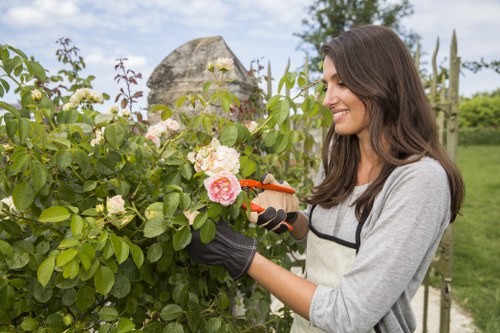 This Health and Safety Policy sets out the standards expected across all gardening services in Belmont, with a clear focus on preventing harm, supporting safe work practices, and maintaining a well-managed environment for staff, clients, and the public. Whether the task involves lawn care, pruning, planting, hedge trimming, or general outdoor maintenance, every activity must be approached with a careful, responsible, and consistent attitude toward safety. The aim of this policy is to promote a workplace culture where risks are identified early, control measures are applied properly, and everyone understands their role in keeping the worksite safe.
Garden work often involves changing conditions, sharp tools, moving equipment, uneven ground, weather exposure, and manual handling. For that reason, gardeners in Belmont are expected to plan each job before starting, assess possible hazards, and use suitable protective measures. The policy applies to all workers, contractors, and anyone carrying out gardening duties on behalf of the business. It is designed to protect people while also supporting efficient, professional service delivery.
All personnel must follow safe systems of work at all times. This includes wearing appropriate personal protective equipment, maintaining tools in good condition, and using machinery only when trained and authorised to do so. Hazard reporting is essential, and any unsafe condition must be raised immediately so that action can be taken before an incident occurs. A strong safety culture benefits everyone and helps ensure that garden maintenance in Belmont is completed without unnecessary risk.
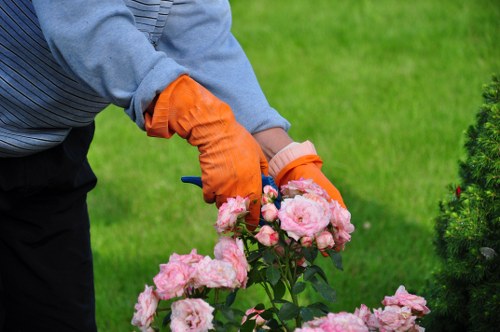 Risk assessment is a central part of this policy. Before work begins, the site should be reviewed for hazards such as slippery surfaces, hidden debris, insect nests, broken paving, overhead obstacles, or nearby traffic. Control measures may include cordoning off work areas, adjusting work methods, or postponing tasks during unsafe weather. In many cases, simple planning can prevent injuries and reduce damage to plants, property, or equipment.
Health and safety responsibilities are shared by all workers. Supervisors must ensure that tasks are allocated appropriately, equipment is safe to use, and employees are not asked to perform work beyond their training. Workers must take reasonable care for their own safety and the safety of others, follow instructions, and avoid unsafe shortcuts. If a task feels unsafe, it should stop until the issue is resolved. This approach supports dependable Belmont gardeners and helps maintain professional standards.
Plant and machinery safety is equally important. Tools such as hedge trimmers, mowers, saws, blowers, and edging equipment must be checked before use and stored securely after work. Damaged equipment should be removed from service immediately. Operators should remain alert, avoid distractions, and keep bystanders away from active work zones. Using well-maintained tools correctly reduces the likelihood of injury and improves the quality of the finished job.
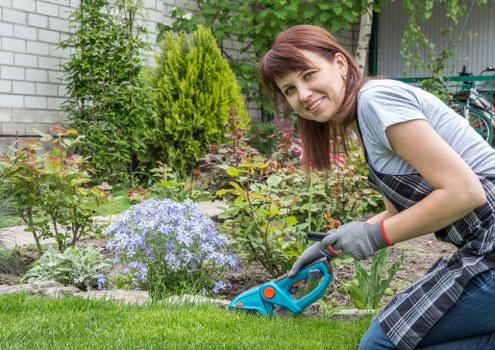 Manual handling is a common source of strain in garden work, so lifting, carrying, pushing, and pulling must be done with care. Workers should assess the weight and shape of items before moving them and use assistance or mechanical aids when needed. Repetitive tasks should be managed with breaks and task rotation where possible. Safe lifting habits help protect muscles, joints, and backs while maintaining productivity in gardening Belmont operations.
Personal protective equipment must be selected according to the task. This may include gloves, eye protection, hearing protection, sturdy footwear, long sleeves, or high-visibility clothing. PPE should be kept clean, worn correctly, and replaced when damaged. While PPE is important, it is only one part of safety management and must be supported by training, supervision, and sensible work planning.
Weather conditions can create additional hazards. Heat, strong sun, heavy rain, wind, and damp surfaces may affect safety and performance. Workers should take appropriate breaks, stay hydrated, use sun protection, and modify tasks when conditions become unsafe. Outdoor work always requires flexibility, and safe decisions must take priority over speed. Good judgement is essential for Belmont garden care carried out throughout the year.
Environmental care is part of safe working practice as well. Waste, clippings, branches, and loose materials should be managed properly to prevent slips, trips, and blocked access routes. Chemicals, fuel, and other hazardous substances must be stored, labelled, and handled according to the relevant instructions and safety controls. Whenever possible, safer alternatives should be considered to reduce exposure and minimise environmental impact.
Training and supervision are vital to the success of this policy. New workers must receive instruction on safe procedures, emergency responses, equipment use, and reporting requirements. Refresher training should be provided when tasks change or when risks are identified. Proper supervision helps ensure that gardeners Belmont work safely and consistently, especially when carrying out more complex or higher-risk tasks.
 Emergency readiness is also required. First aid supplies should be accessible, and workers should know how to respond to cuts, falls, burns, heat stress, or equipment-related injuries. In any serious incident, work must stop and emergency procedures must be followed without delay. Prompt reporting, accurate records, and timely corrective action all help prevent repeat incidents and strengthen overall safety performance.
 This policy will be reviewed regularly to ensure it remains effective, practical, and aligned with safe work expectations. Reviews may be triggered by incidents, changes in equipment, new work methods, or feedback from safety inspections. Every review should reinforce the commitment to a reliable, hazard-aware, and respectful work environment. By following this policy, Gardeners Belmont can deliver quality outdoor services while protecting people, property, and the wider community.